Operators from the marketplaces you already sell on
Amazon
Walmart
Shopify
Target
TikTok Shop
Amazon
Walmart
Shopify
Target
TikTok Shop
Amazon
Walmart
Shopify
Target
TikTok Shop
Amazon
Walmart
Shopify
Target
TikTok Shop
the bottleneck
01 · Where the hours go
You bought the tools. You're still the handoff.
Another tab. Another prompt. Another explanation of your business. AI pays off when it knows your business, has a job, and hands you a decision instead of a blank page. Which tool gets you there depends on how you work.
01Give it contextYour products, SOPs, and claims, written down once.
02Give it a jobResearch, build, check. Each part has an owner.
03Keep the callThe work reaches you ready to approve.
pick your tool
02 · What I teach
Four tools. One for how you work.
Each one does a different job. Find the situation that sounds like your week, and that's where we start.
For the hands-on operator
Claude Code
An AI that works inside your files, your docs, and your inbox, with your business written down so it never starts from zero.
Use this if
You're the one doing the work, and you live in docs, sheets, and email.
You keep re-explaining your business to a chat window every morning.
You want your own operating system, not another app subscription.
How I help
Live cohorts1:1 setupSkills installed in your files
The first Operator Intelligence cohort was Claude Code-first. Members left with working workflows, not notes.
Named operators. Named work. Each result is theirs, from earlier Operator Intelligence programs.
WorkflowsAutomations
I've built workflows and automations that turn projects that used to take days or weeks, and cost thousands, into systems I now run in minutes with no added expense.
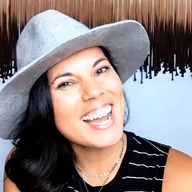
Regina GomezBrand owner · days of work, now minutes
Second BrainClaude
With John's help I now have a Second Brain that is tied to Claude. This and several other automations on top of it are saving me more than an hour a day.
Kimberly LockFounder, Fifth Fork · email triage + knowledge base
Integrations
It helped put me on a path to implement what I wanted, trained me to understand how to use it, and helped me get everything to interact.
Dave SupingerFounder, Ardor Growth · tools talking to each other
Cohort
Signed up for cohorts that aren't just a presentation leaving me to figure it out. By the end, he has personally ensured they get implemented.
Jon ScrivanoBrand owner · built with him, not after him
Cohort
I chose to work with John so that I can be part of the group that is staying ahead of the curve.
Daniela BolzmannCEO, Mindful Goods
this month's build
05 · The current cohort
Each month, one live build.
A cohort takes one of the tools above and builds one system with it, on your business, in four live weeks. This round applies Claude Code or Codex to video: your product photos become video ads.
Four live, one-hour group builds, recorded
A private repo you own at the end
OI School free for life and weekly Operator Hours
Enrollment open
Operator Intelligence: Video OS
$799one payment
Tuesdays, October 27 - November 17, 2-3 PM Eastern
If you do the work yourself, start with Claude Code. If you have a team doing repeat work, start with Codex. If follow-up is what slips, start with a Grok Bot. Whichever you pick, a second brain makes it better. Not sure? Book 15 minutes and I'll tell you.
Do I need to know how to code?
No. Every track starts from zero. You need to be comfortable following setup instructions and describing the work you want done.
Can you train my team, not just me?
Yes. Codex installs are built for teams: each person gets the same skills on their own account, plus training on how to run them.
Cohort or 1:1?
A cohort gets one system working in four weeks alongside other operators. 1:1 is for brands that want several systems built in their own stack, on their schedule.
Will you just build it for me?
Yes. AI Build-Out is the done-for-you option: I design, build, test, and hand over the system with documentation and team training.
What subscriptions will I pay for?
Your own AI subscriptions (Claude, ChatGPT, or Grok) and any paid tools a build uses. Those are separate from my fees, and every paid tool is named before you commit.
Your business. Your tools. Your call.
Not sure where tostart?
Fifteen minutes. Tell me how your week goes, and I'll tell you which tool fits and the cheapest way to learn it.